Connected Care Update

December 19, 2022

Accelerating the impact of Ontario Health Teams to advance integrated health care and improve patient experience across the province

The Ministry of Health is setting new direction for Ontario Health Teams (OHTs) to support their progress towards maturity as they work to connect care and improve patient experience in their local communities.


The new direction is outlined in the guidance document Ontario Health Teams – The Path Forward. The direction promotes greater standardization, informed by lessons learned through OHT implementation to date. Areas of focus include:

  • Clinical priorities – to
    harness the potential of OHTs to improve health outcomes provincially
  • Governance – to strengthen and
    standardize how decisions are made and ensure the right voices are part
    of OHTs
  • Operational capacity – to make
    sure every OHT can sustain its back-office functions
  • Communications – to cultivate
    consistency on public communications led by OHTs and support
    awareness of their role in delivering better connected care


Ontario Health Teams – The Path Forward will help OHTs to take the next steps forward on the path to maturity, with the
support of the ministry and Ontario Health.

Watch the Deputy Premier and Minister of Health’s webinar for OHTs and health care sector partners on Ontario
Health Teams – The Path Forward
.

Learn more about Improving health care in Ontario
Learn more about 
Ontario Health Teams


Share this

More Content
By Kim Marin • October 7, 2026
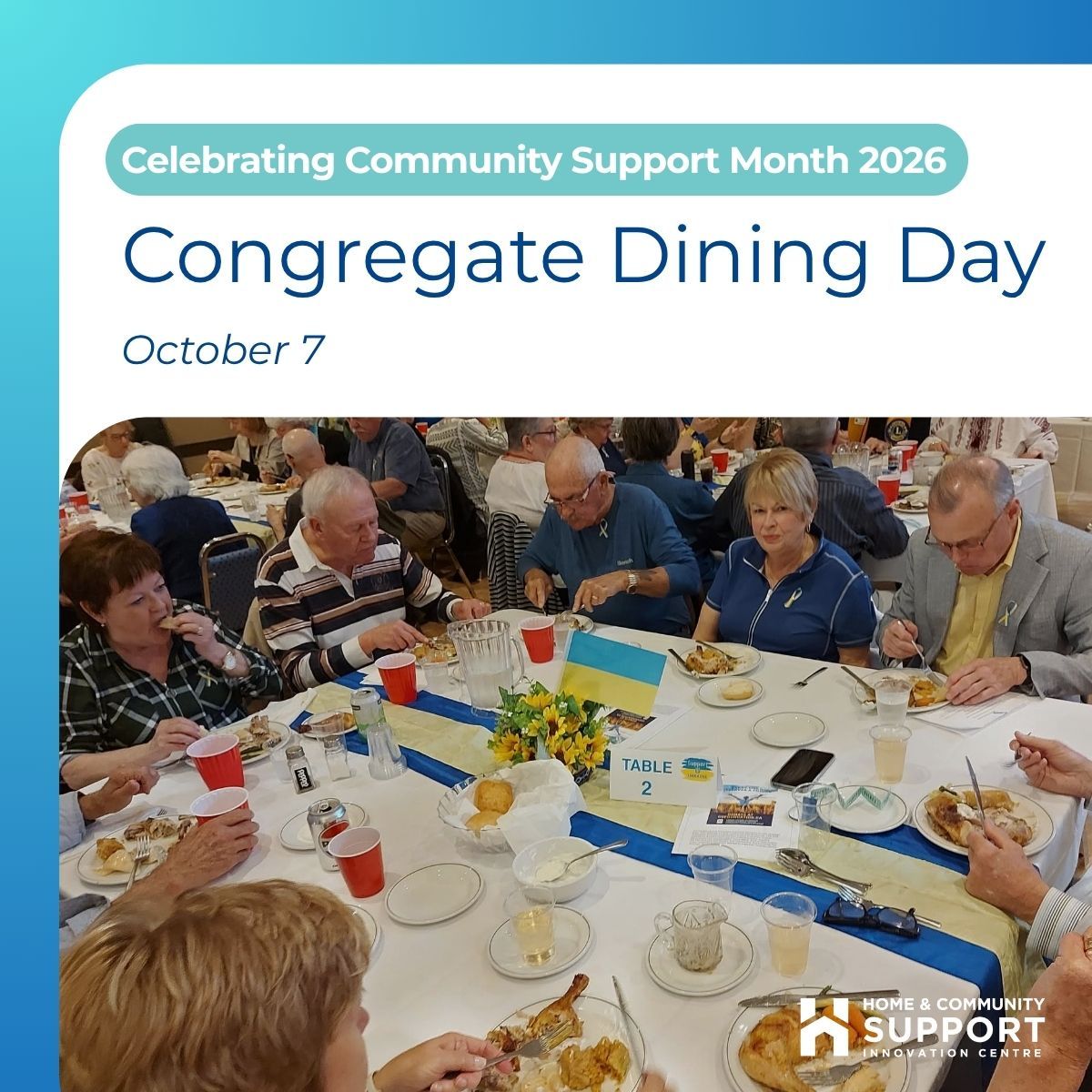
Today, we celebrate Congregate Dining programs that bring people together through shared meals, meaningful conversations, and social connection. These programs help foster a sense of belonging while supporting overall well-being and community engagement. Looking for support for yourself, a family member, friend, or client? Learn more about available services and make a referral through our online portal: www.northeastsupport.ca
By Kim Marin • October 6, 2026
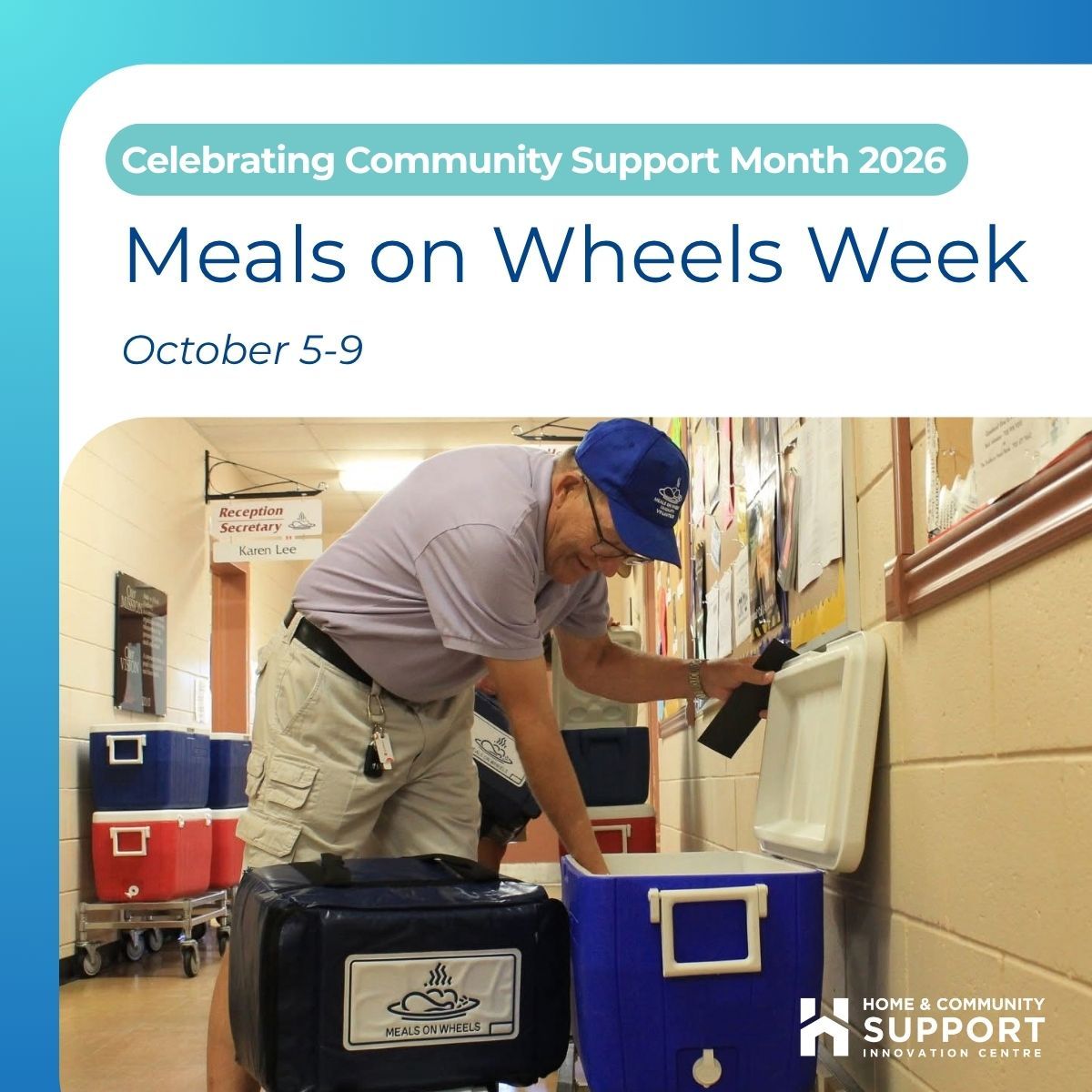
October is Community Support Month , an opportunity to celebrate and raise awareness about the value of community support services and the dedicated staff, volunteers, caregivers, and service providers who make them possible. Throughout the month, we're highlighting the programs that help individuals remain independent, connected, and supported in their communities. This Meals on Wheels Week, we recognize the incredible impact of nutritious meals and friendly check-ins that help individuals maintain their health, independence, and connection to the community. Looking for support for yourself, a family member, friend, or client? Learn more about available services and make a referral through our online portal: www.northeastsupport.ca
By Kim Marin • September 2, 2026
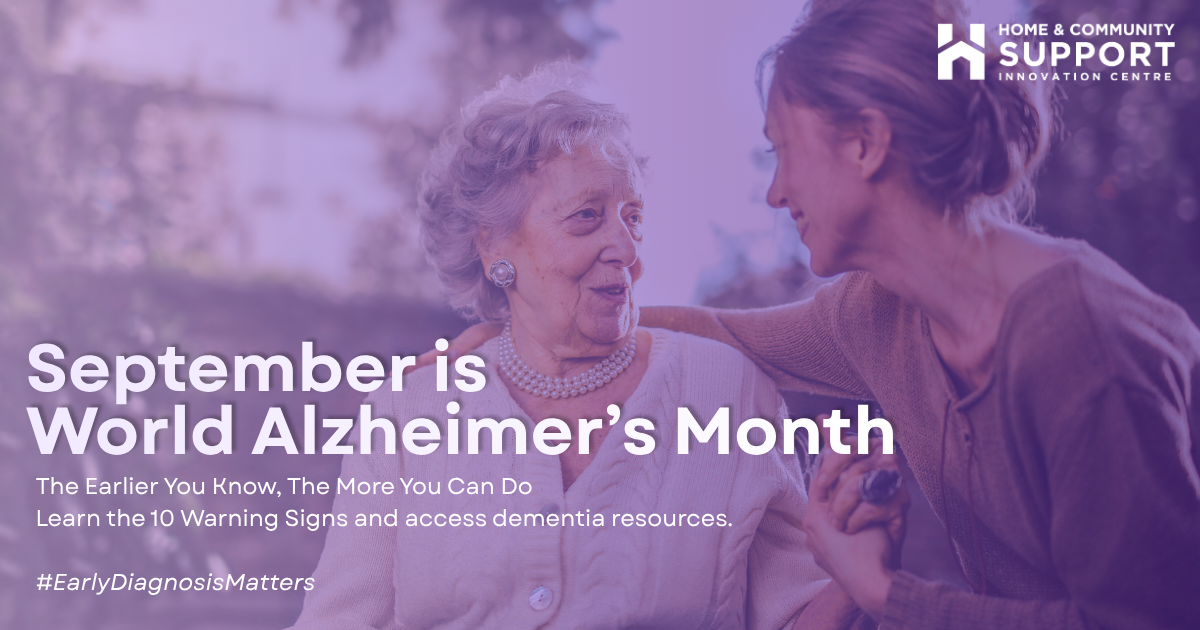
September is World Alzheimer's Month, a time dedicated to raising awareness of Alzheimer's disease and other dementias, challenging stigma, and recognizing the impact these conditions have on individuals, families, care partners, and communities. It is also an opportunity to highlight the importance of early diagnosis and the resources available to support people throughout their journey. This year's campaign theme, " The Earlier You Know, The More You Can Do: A Dementia Diagnosis Matters ," emphasizes the value of recognizing symptoms early and accessing information, support, and services as soon as possible. While a dementia diagnosis can bring uncertainty and difficult emotions, it can also open the door to education, planning, and a network of support that helps individuals and families move forward with confidence and understanding. At Home & Community Support Innovation Centre, we recognize that dementia affects more than the person living with the disease. It touches families, friends, neighbours, caregivers, and communities. Supporting people living with dementia requires a collective effort, grounded in compassion, awareness, and access to reliable resources. As part of World Alzheimer's Month, we encourage everyone to learn about the 10 Warning Signs of Alzheimer's disease and other dementias. Understanding these signs can help foster important conversations, reduce stigma, and encourage individuals to seek assessment and support sooner. One of the key messages behind this campaign is that dementia is not a normal part of aging, and early awareness can make a meaningful difference for individuals and their loved ones. For those who are concerned about memory changes, supporting a loved one, or navigating a recent diagnosis, there are resources available to help. The Getting a Diagnosis Toolkit provides practical guidance for individuals and families, including information about the diagnostic process, preparing for appointments, and connecting with community supports. The Alzheimer Society of Sudbury-Manitoulin North Bay & Districts and the Alzheimer Society of Ontario also offer education, information, and support for individuals, families, and care partners throughout Ontario. These organizations play an important role in helping people access trusted information and feel supported throughout every stage of the dementia journey.
More Posts